← All universities
Public university
Banja Luka
Public
English (Medicine, Dental Medicine, Pharmacy, Nursing, Economics and Business Management) and Serbian

University of Banja Luka

The largest public university of the Republic of Srpska, founded in 1975, with Medicine, Dental Medicine, Pharmacy, Nursing and Economics taught in English in Banja Luka.

Admission handled by Study in BosniaVisa, housing and residence permitOwn office in Bosnia

Overview

University profile

The key facts about this university at a glance.

Tuition

€4,500 / year (Medicine, Dental Medicine, Pharmacy in English), €3,070 / year (Nursing in English), other programmes on request

Degrees

Doctor of Medicine, Doctor of Dental Medicine, Master of Pharmacy, Bachelor, Master, PhD

Language

English (Medicine, Dental Medicine, Pharmacy, Nursing, Economics and Business Management) and Serbian

Programmes

Medicine (English), Dental Medicine (English), Pharmacy (English), Nursing (English), Economics and Business Management (English), Engineering, IT, Law, Economics, Natural Sciences, Humanities, Social Sciences, Agriculture, Forestry, Sport, Arts

Duration

6 years (Medicine, Dental Medicine), 5 years (Pharmacy), 4 years (Nursing and most Bachelor programmes), 1 year (most Master programmes), 3 years (PhD)

Intake

October

Living costs

approx. €450 to 650 per month

Admission

Via Study in Bosnia as authorised partner, fixed quota of places per programme and year

✓
Your study place through Study in BosniaWe prepare your application, talk to the university for you and stay at your side until you arrive.
Get free advice →

Location

Where this university is

On the map of Bosnia and Herzegovina

About the university

Overview

The University of Banja Luka (Univerzitet u Banjoj Luci) is the largest public university of the Republic of Srpska and the second-largest university in Bosnia and Herzegovina. It was founded on 7 November 1975 and today brings together 16 faculties, the Academy of Arts and the Institute of Genetic Resources, with about 15,000 students and more than 1,000 professors and teaching assistants. For international students the main draw is the Faculty of Medicine, which teaches Medicine (6 years, 360 ECTS, Doctor of Medicine), Dental Medicine (6 years, 360 ECTS), Pharmacy (5 years, 300 ECTS) and Nursing (4 years, 240 ECTS) in English. Tuition for Medicine in English is 8,800 KM a year, about €4,500. Lectures start in October.

The Faculty of Economics adds a second English-taught track: the four-year bachelor Economics and Business Management in English, with five majors from finance and banking to quantitative analysis. Everything else is taught in Serbian, from electrical engineering and law to forestry, music and film. Over 60 bachelor and integrated programmes run at the university, most of them with master and doctoral studies on top.

Most faculties sit in University City (Univerzitetski grad), a green campus on the bank of the Vrbas river at Bulevar vojvode Petra Bojovića 1A, a short walk from the city centre. The Faculty of Medicine has its own building in Save Mrkalja street, and clinical teaching takes place at the University Clinical Centre of the Republic of Srpska in Paprikovac. Only the Faculty of Mining is outside Banja Luka, in Prijedor.

The university is state-accredited and licensed in Bosnia and Herzegovina. We at Study in Bosnia help you with the study place, the translations and nostrification of your school certificate, a room in Banja Luka, the student visa and the residence permit, supported by our local office in Bosnia.

At a glance

University and city in figures

The university

  • Type: public university, state-accredited in Bosnia and Herzegovina
  • Founded: 7 November 1975
  • Members: 16 faculties, the Academy of Arts and the Institute of Genetic Resources
  • Students: about 15,000
  • Academic staff: more than 1,000 professors and teaching assistants
  • Languages: Serbian; English for selected programmes
  • English programmes: Medicine, Dental Medicine, Pharmacy, Nursing, Economics and Business Management
  • Main campus: University City (Univerzitetski grad), Bulevar vojvode Petra Bojovića 1A, Banja Luka
  • Other locations: Faculty of Medicine at Save Mrkalja 14, Banja Luka; Faculty of Mining in Prijedor
  • Teaching hospital: University Clinical Centre of the Republic of Srpska (Paprikovac, Banja Luka)

The city

  • Population: about 185,000, the second-largest city of Bosnia and Herzegovina
  • Location: north-west Bosnia and Herzegovina, on the Vrbas river, administrative centre of the Republic of Srpska
  • Airport: Banja Luka International Airport, about 25 km north of the centre, with direct flights to several European cities
  • Travel times by road: Zagreb about 3 hours, Belgrade about 4.5 hours, Sarajevo about 4 hours, Adriatic coast (Split) about 5 hours
  • Climate: continental, warm summers around 28 to 32 °C, cold winters around 0 °C
  • Cost of living: approx. €450 to 650 per month
  • Room in a shared flat: approx. €150 to 250 per month; studio flat approx. €250 to 400

Study programmes

What you can study here

Programmes taught in English

Medicine (Doctor of Medicine)

The integrated programme in Medicine lasts six academic years and carries 360 ECTS. It is built on 58 compulsory courses plus electives and a diploma thesis. The first years cover the biomedical sciences in lectures, practical exercises and seminars; from the clinical years onward, teaching moves to the University Clinical Centre of the Republic of Srpska and more than 20 other partner institutions. Graduates receive the title Doctor of Medicine. For 2026/27 the faculty has 78 places for foreign citizens in this programme.

Dental Medicine (Doctor of Dental Medicine)

Dental Medicine is also a six-year integrated programme with 360 ECTS. Basic and medical subjects come first, the senior years focus on clinical dentistry, and semesters 11 and 12 combine block-taught professional practice with the final thesis. Students train at the faculty's own Dental Clinic Specialist Centre.

Pharmacy (Master of Pharmacy)

Pharmacy runs over five years with 300 ECTS. The first four semesters cover natural and basic medical sciences, then pharmaceutical chemistry, pharmacology and social pharmacy follow. Semesters 9 and 10 include a professional internship and the master thesis.

Nursing (Bachelor of Nursing)

The English-taught Nursing programme lasts four years with 240 ECTS and 45 compulsory courses including the final thesis. It combines nursing theory and practical skills with IT, research and decision-making in healthcare teams. For 2026/27 there are 50 places for foreign citizens.

Economics and Business Management in English (Bachelor of Science in Economics)

The Faculty of Economics teaches its four-year bachelor (240 ECTS) in English as well. You choose one of five majors: Financial Management, Banking and Insurance; Accounting and Auditing; International Economics; Management and Entrepreneurship; Quantitative Analysis. Majors start in year four. The faculty also runs an International Master in Business Administration developed with partner universities in Italy, the United Kingdom and Austria.

Programmes taught in Serbian

Faculty of Medicine

  • Medicine (6 years, 360 ECTS)
  • Dental Medicine (6 years, 360 ECTS)
  • Pharmacy (5 years, 300 ECTS)
  • Nursing (4 years, 240 ECTS)
  • Midwifery (4 years, 240 ECTS)
  • Physiotherapy (4 years, 240 ECTS)
  • Radiological Technology (4 years, 240 ECTS)
  • Sanitary Engineering (4 years, 240 ECTS)
  • Medical Laboratory Diagnostics (4 years, 240 ECTS)

Faculty of Architecture, Civil Engineering and Geodesy

  • Architecture
  • Interior Design
  • Civil Engineering
  • Geodesy

Faculty of Economics

  • Economics and Business Management (majors: International Economics, Management and Entrepreneurship, Quantitative Analysis, Accounting and Auditing, Financial Management, Banking and Insurance)
  • Business Informatics

Faculty of Electrical Engineering

  • Computing and Informatics
  • Electronics and Telecommunications
  • Power Engineering and Automation

Faculty of Mechanical Engineering

  • Energy and Transport Mechanical Engineering
  • Production Engineering
  • Mechatronics
  • Industrial Engineering
  • Occupational Safety

Faculty of Agriculture

  • Agriculture with majors in Animal Production, Field Crops and Vegetables, Plant Protection, Horticulture, Fruit Growing and Viticulture, Agricultural Economics and Rural Development

Faculty of Law

  • Law (4 years, 240 ECTS)

Faculty of Natural Sciences and Mathematics

  • Mathematics and Informatics
  • Physics
  • Chemistry
  • Biology
  • Ecology and Environmental Protection
  • Geography (with majors including GIS and Tourism Studies)
  • Spatial Planning
  • Technical Education and Informatics

Faculty of Mining (Prijedor)

  • Mining
  • Geological Engineering
  • Environmental Protection Engineering

Faculty of Technology

  • Chemical Engineering and Technologies
  • Food Technology and Industrial Biotechnology (Production; Food Quality Control and Hygiene; Nutritional Quality of Food and Diet)
  • Textile Engineering (Garment Technology and Design; Footwear Technology and Design)
  • Graphic Engineering

Faculty of Security Sciences

  • Security and Criminalistics (4 years, 240 ECTS)

Faculty of Political Science

  • Political Science (International Relations; Public Administration)
  • Journalism and Communication (Multimedia Journalism; Communication and Public Relations)
  • Applied Sociology (Organisation, Labour and Human Resources; Social Analytics)
  • Social Work

Faculty of Physical Education and Sport

  • Physical Education and Sport (4 years, 240 ECTS)
  • Sports Sciences (3 years, 180 ECTS)

Faculty of Philosophy

  • Philosophy
  • History
  • Psychology (3 years, 180 ECTS)
  • Pedagogy
  • Primary Teacher Education
  • Preschool Education

Faculty of Philology

  • Serbian Language and Literature
  • English Language and Literature
  • German Language and Literature
  • Russian and Serbian Language and Literature
  • Romance Studies (French and Italian)
  • Sinology

Faculty of Forestry

  • Forestry

Academy of Arts

  • Music Art: Music Theory and Pedagogy, Ethnomusicology, Solo Singing, Composition, Conducting, and instrumental studies (piano, accordion, guitar, violin, viola, cello, double bass, flute, clarinet, saxophone, oboe, trumpet)
  • Fine Arts: Painting, Graphic Arts, Graphic Design, Intermedia Art
  • Dramatic Arts: Acting, Stage Directing, Production, Dramaturgy, Sound Recording and Design
  • Film and Television: Cinematography, Editing, Animated Film, Film and TV Directing

Master and doctoral studies

Most faculties follow a 4 + 1 + 3 model: a four-year bachelor, a one-year master and a three-year doctorate. The Faculty of Medicine offers master programmes in Health Studies, Physiotherapy, Medical Laboratory Diagnostics, Mental Health and Medical Management, plus the doctoral programme in Biomedical Sciences. The Faculty of Economics runs masters in Economics, Finance, Banking and Insurance, Public Sector Finance and Audit, International Economics, Business Economics and Actuarial Science, Cultural Heritage and Cultural Tourism Management, Tourism and Hotel Management and the International MBA, plus a doctorate in Economics. The Faculty of Law has a 60-ECTS master and a 180-ECTS doctorate, each with nine modules from civil and criminal law to international law. The Faculty of Political Science offers six master fields and a doctorate in Social Science. The Faculty of Architecture, Civil Engineering and Geodesy teaches masters in Architecture and Urbanism, Civil Engineering and Geodesy, and runs Energy Efficiency in Buildings together with the Faculty of Mechanical Engineering. Four faculties (Electrical Engineering, Mechanical Engineering, Technology, and Architecture, Civil Engineering and Geodesy) share a doctorate in Renewable Energy Sources and Environmental Engineering. The Faculty of Agriculture offers masters such as Agricultural Economics and Rural Development and Agromanagement, and with the Institute of Genetic Resources and the Faculty of Natural Sciences and Mathematics it teaches the master Conservation and Sustainable Use of Genetic Resources. The Faculty of Security Sciences offers a master in Natural Disasters Risk Management, and the Faculty of Mining a master in Mining and Geological Engineering. The Faculties of Philosophy, Philology, Natural Sciences and Mathematics, Forestry, Physical Education and Sport, Electrical Engineering, Technology and the Academy of Arts all offer second-cycle studies in their fields, several with doctorates.

Faculties and campus

Where you will study

Faculty of Medicine (Save Mrkalja 14, Banja Luka)

Faculty of Medicine, University of Banja Luka
Faculty of Medicine, Banja Luka · Photo: University of Banja Luka

The Faculty of Medicine was founded on 17 March 1978, and its first lecture was held on 15 November 1978 for 152 students. It is the oldest institution for medical higher education in the region. More than 2,300 doctors of medicine, over 500 doctors of dentistry and a similar number of pharmacists have graduated here. The faculty building is in Save Mrkalja street. It is central.

Fifty departments cover everything from anatomy and histology to maxillofacial surgery and transfusion medicine. The faculty runs its own Medical Specialist Centre (opened in 2019), the Dental Clinic Specialist Centre, a Centre for Biomedical Research and a Centre for Specialist Studies and Continuing Education, and it publishes the journal Scripta Medica. Clinical teaching takes place at the University Clinical Centre of the Republic of Srpska in Paprikovac, the reference hospital of the Republic of Srpska, and at more than 20 other health institutions.
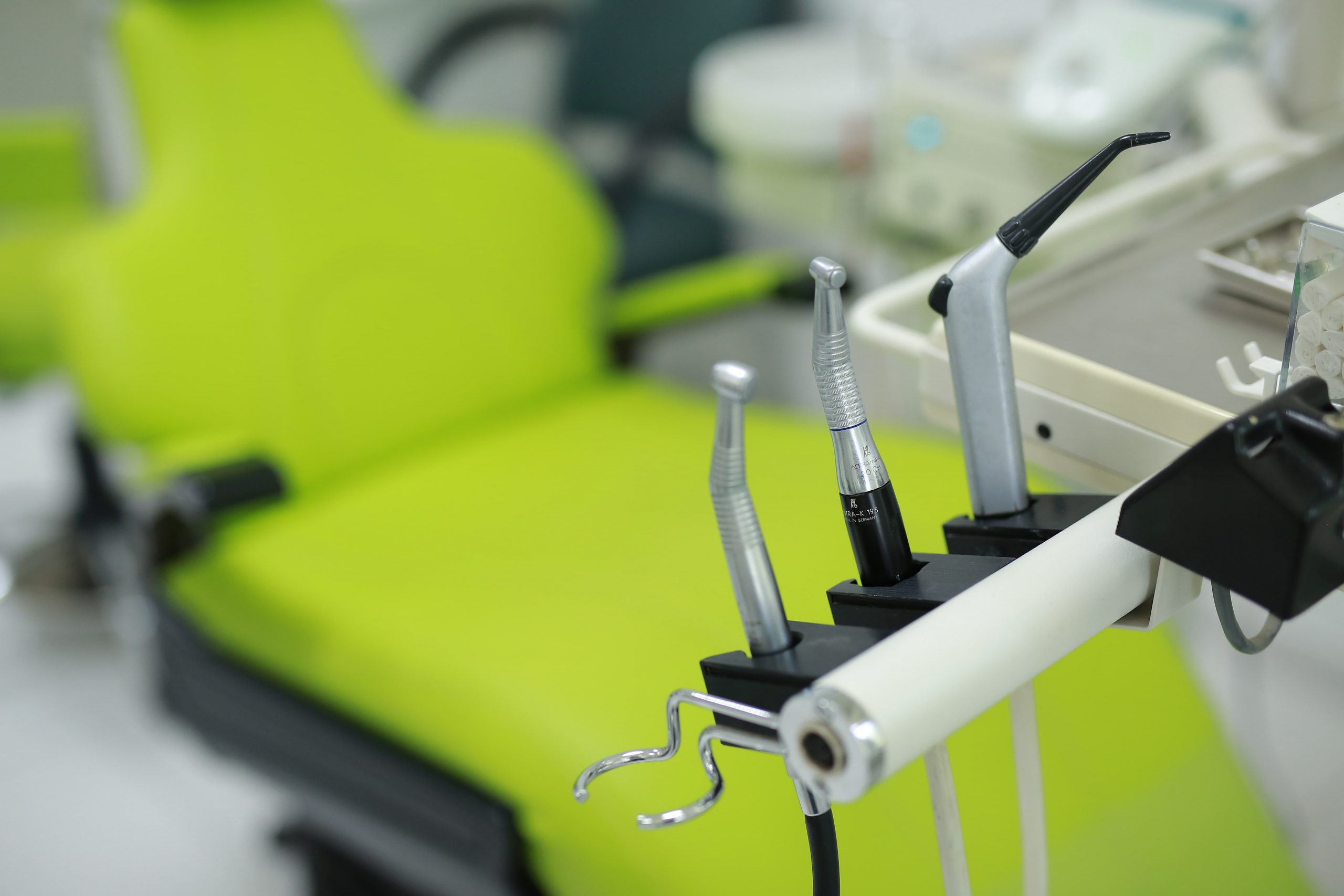
Dental medicine teaching facility at the Faculty of Medicine Banja Luka
Dental Medicine, Faculty of Medicine, Banja Luka · Photo: University of Banja Luka

English-taught programmes: Medicine, Dental Medicine, Pharmacy and Nursing. In Serbian the faculty also teaches Midwifery, Physiotherapy, Radiological Technology, Sanitary Engineering and Medical Laboratory Diagnostics.

Faculty of Economics (Majke Jugovića 4, Banja Luka)

Faculty of Economics building, University of Banja Luka
Faculty of Economics, Banja Luka · Photo: University of Banja Luka

Founded on 6 February 1975, the Faculty of Economics grew out of a Banja Luka department of the Faculty of Economics in Sarajevo. Since 1981 it has used its own building with about 4,200 m² of space, barrier-free access and a panoramic lift to the lecture theatres. It teaches Economics and Business Management with five majors, in Serbian and in English, plus Business Informatics, a range of masters, an International MBA and a doctorate in Economics.

Faculty of Electrical Engineering (Patre 5, Banja Luka)

Faculty of Electrical Engineering, University of Banja Luka
Faculty of Electrical Engineering, Banja Luka · Photo: University of Banja Luka

The faculty dates its founding to 24 November 1962, when a Faculty of Engineering with a Department of Electrical Engineering was set up in Banja Luka. It became independent in 1975. Today it is the leading school for electrical engineering and computer science in the Republic of Srpska, with bachelor programmes in Computing and Informatics, Electronics and Telecommunications, and Power Engineering and Automation, followed by master and doctoral studies. Its graduates are in demand at the software companies of Banja Luka.

Faculty of Mechanical Engineering (Bulevar vojvode Stepe Stepanovića 71, Banja Luka)

Faculty of Mechanical Engineering building, University of Banja Luka
Faculty of Mechanical Engineering, Banja Luka · Photo: University of Banja Luka

Teaching started in October 1971 with 155 students, and the faculty became independent on 18 October 1975. It moved into its present building in 1972 and expanded it in 1981. Programmes include Energy and Transport Mechanical Engineering, Production Engineering, Mechatronics, Industrial Engineering and Occupational Safety.
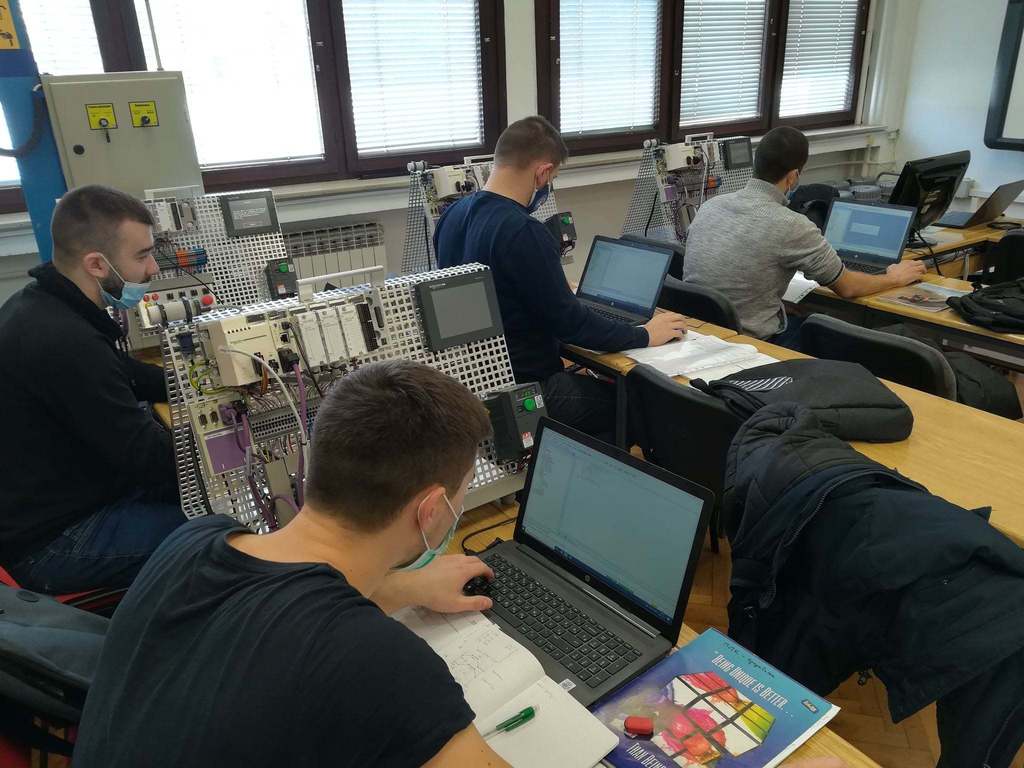
Mechatronics laboratory, Faculty of Mechanical Engineering Banja Luka
Mechatronics laboratory, Faculty of Mechanical Engineering, Banja Luka · Photo: University of Banja Luka

Students work in a mechatronics laboratory, a CAD laboratory and a library with reading room. The faculty co-teaches the master Energy Efficiency in Buildings and the doctorate in Renewable Energy Sources and Environmental Engineering.

Faculty of Technology (Bulevar vojvode Stepe Stepanovića 73, Banja Luka)

Faculty of Technology, University of Banja Luka
Faculty of Technology, Banja Luka · Photo: University of Banja Luka

The Faculty of Technology shares its roots with Electrical Engineering in the 1962 Faculty of Engineering. Its departments cover Chemical Technology, Biotechnology and Food Technology, and Textile Engineering; Graphic Engineering was added in 2010/11. It stands next door to Mechanical Engineering on the same boulevard.

Faculty of Law (Bulevar vojvode Stepe Stepanovića 77, Banja Luka)

Faculty of Law, University of Banja Luka
Faculty of Law, Banja Luka · Photo: University of Banja Luka

Law has been taught in Banja Luka since 1960, and the independent faculty was established on 6 February 1975. It offers the four-year Bachelor of Laws (240 ECTS), a one-year master and a three-year doctorate, both with nine modules including Civil Law, Criminal Law, Business Law, International Law and Legal History.

Faculty of Architecture, Civil Engineering and Geodesy (University City)

Faculty of Architecture, Civil Engineering and Geodesy, University of Banja Luka
Faculty of Architecture, Civil Engineering and Geodesy, Banja Luka · Photo: University of Banja Luka

Established by the National Assembly of the Republic of Srpska on 28 August 1995, the faculty enrolled its first civil engineers in 1996, architects in 1997 and geodesists in 2007. It teaches Architecture, Interior Design, Civil Engineering and Geodesy in a 4 + 1 + 3 model.

Faculty of Natural Sciences and Mathematics (Mladena Stojanovića 2, Banja Luka)

Faculty of Natural Sciences and Mathematics, University of Banja Luka
Faculty of Natural Sciences and Mathematics, Banja Luka · Photo: University of Banja Luka

Founded in 1996 and marking its 30th anniversary in 2026, the faculty teaches Mathematics and Informatics, Physics, Chemistry, Biology, Ecology and Environmental Protection, Geography, Spatial Planning and Technical Education and Informatics. Its biology and chemistry courses are a good reference point for students preparing for a medical degree.

Faculty of Agriculture (University City)

Faculty of Agriculture, University of Banja Luka
Faculty of Agriculture, Banja Luka · Photo: University of Banja Luka

The Faculty of Agriculture began teaching on 10 October 1992 and moved to University City in 2005. Since 2016 it has run a 50-hectare Experimental and Educational Centre in nearby Laktaši. Six institutes cover field crops, soil and agroecology, horticulture, animal husbandry, animal reproduction, and agricultural economics.

Faculty of Forestry (University City)
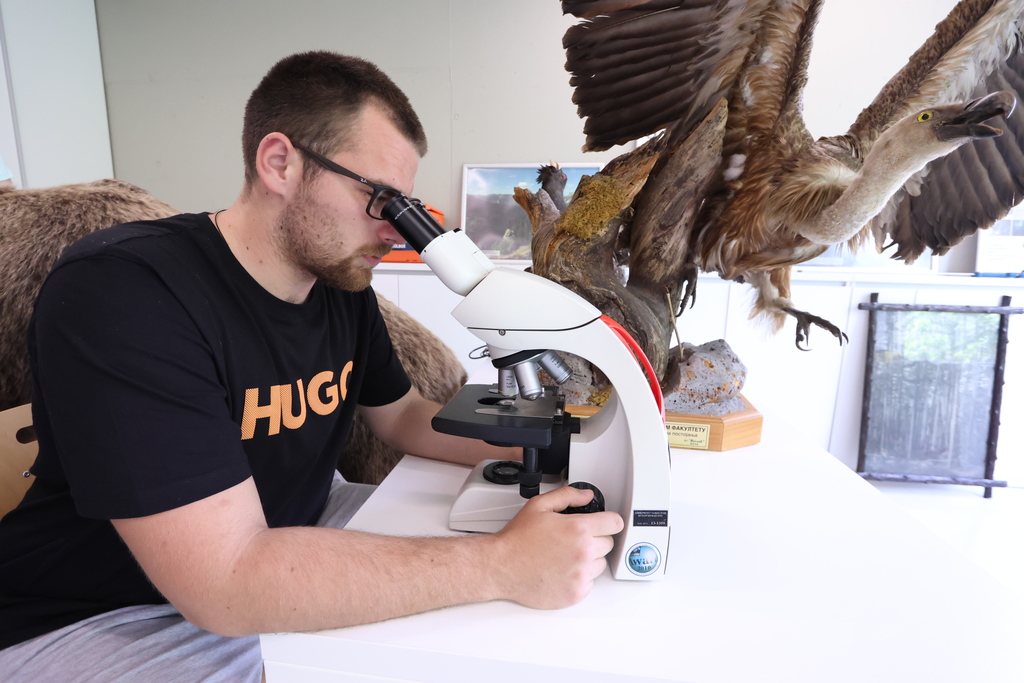
Faculty of Forestry, University of Banja Luka
Faculty of Forestry, Banja Luka · Photo: University of Banja Luka

Forestry education here traces back to 1940 in Sarajevo. The faculty has taught in Banja Luka since 1993 and offers the bachelor in Forestry plus master and doctoral studies.

Faculty of Mining (Prijedor)
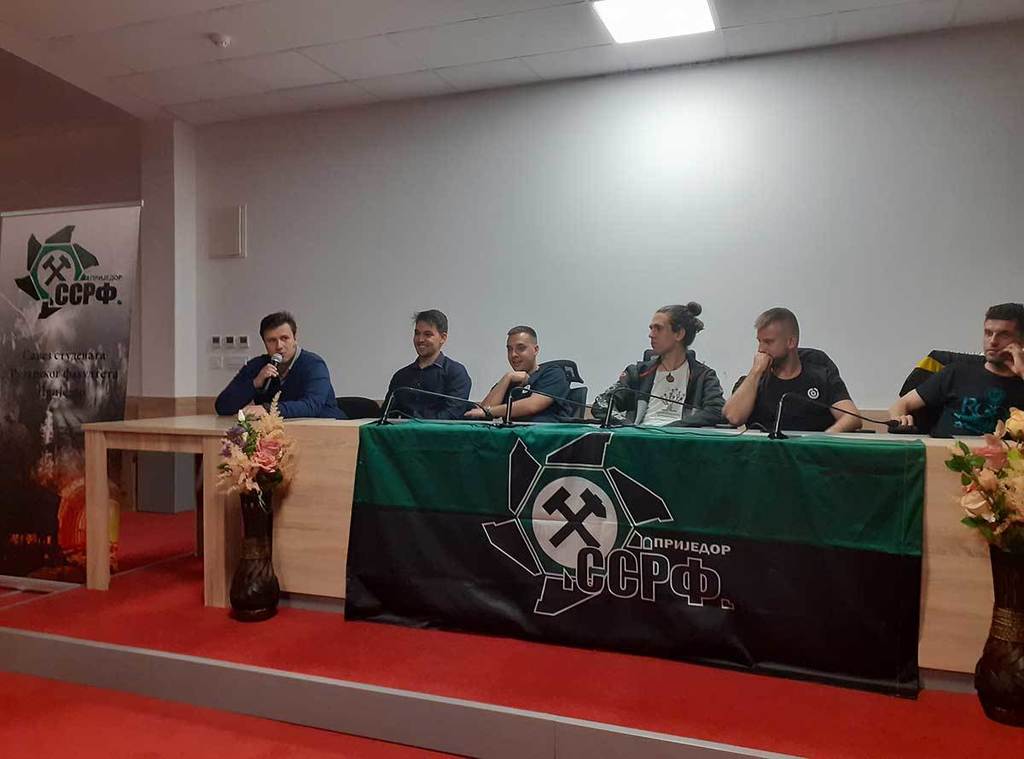
Faculty of Mining in Prijedor, University of Banja Luka
Faculty of Mining, Prijedor · Photo: University of Banja Luka

The only faculty outside Banja Luka sits in Prijedor, about 50 km north-west. It started in 1997 as a department of the Faculty of Technology and became independent in 2009. Programmes: Mining, Geological Engineering and Environmental Protection Engineering, with a master in Mining and Geological Engineering.

Faculty of Security Sciences (Bulevar vojvode Živojina Mišića 10A, Banja Luka)

Faculty of Security Sciences, University of Banja Luka
Faculty of Security Sciences, Banja Luka · Photo: University of Banja Luka

Established on 6 March 2017 as successor to the College of Interior of the Republic of Srpska, the faculty teaches Security and Criminalistics (240 ECTS) and a master in Natural Disasters Risk Management.

Faculty of Political Science (University City)
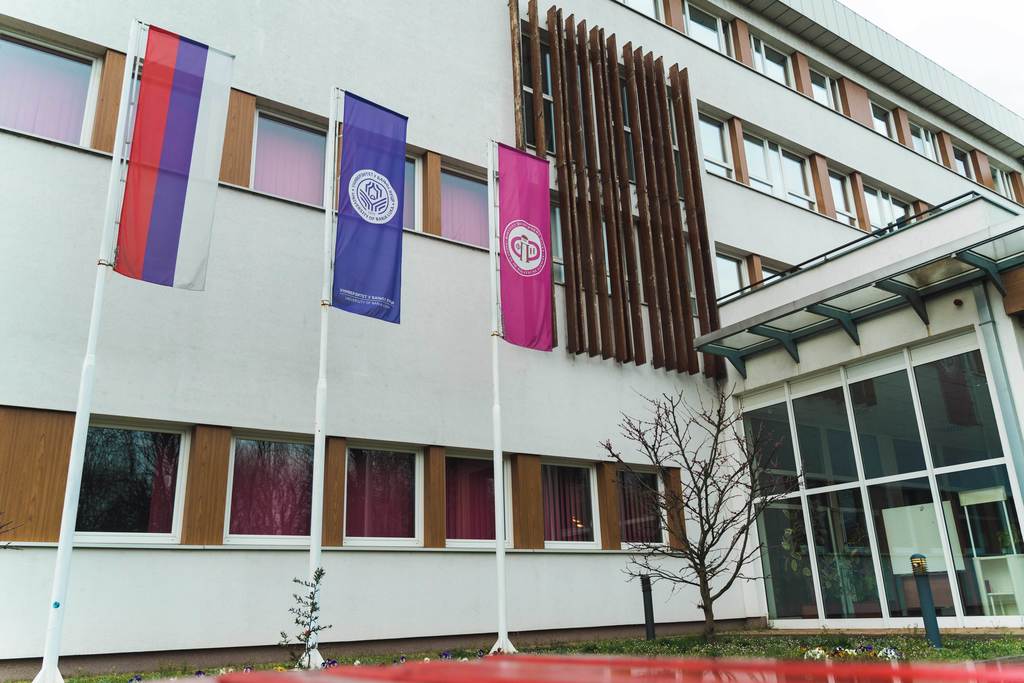
Faculty of Political Science, University of Banja Luka
Faculty of Political Science, Banja Luka · Photo: University of Banja Luka

Founded on 27 March 2009, the faculty teaches Political Science, Journalism and Communication, Applied Sociology and Social Work. Social work students complete traineeships at more than 50 social work centres, and the faculty publishes the journal Politeia.

Faculty of Philosophy (University City)

Faculty of Philosophy, University of Banja Luka
Faculty of Philosophy, Banja Luka · Photo: University of Banja Luka

Formally established in 1994, the Faculty of Philosophy continues a teacher-training tradition that started in Banja Luka in 1925. It teaches Philosophy, History, Psychology, Pedagogy, Primary Teacher Education and Preschool Education, runs an Experimental Psychology Laboratory and holds a library of more than 70,000 titles.

Faculty of Philology (University City)

Founded in 2009, the Faculty of Philology teaches Serbian, English, German, Russian, French and Italian language and literature, and Sinology. Its Centre for Languages and Translation offers language courses to the public, which is useful if you want to learn Serbian alongside an English-taught degree.

Faculty of Physical Education and Sport (University City)

The faculty was established on 4 July 2001 and teaches Physical Education and Sport (240 ECTS) and Sports Sciences (180 ECTS). It publishes the journal SportLogia and uses the sports facilities on campus.

Academy of Arts and Institute of Genetic Resources (University City)

The Academy of Arts was founded in 1999 and teaches Music Art, Fine Arts, Dramatic Arts and Film and Television. The Institute of Genetic Resources, active since 2010, focuses on plant genetic resources and teaches a joint master programme with the Faculty of Agriculture and the Faculty of Natural Sciences and Mathematics. Its botanical garden lies on the campus.

Admission

How you get your place

Your application to the University of Banja Luka goes through us. As an authorised partner of Bosnian universities, Study in Bosnia has contracts with the individual universities and a fixed quota of places per programme and year. We allocate these places on a first-come, first-served basis, provided you meet certain minimum criteria and the visa and entry requirements.

We handle the entire admission for you. Study in Bosnia checks if your school certificate qualifies for the programme you have in mind, organises the certified translations and the nostrification, and submits your complete application to the faculty in Banja Luka as its authorised partner. We stay in contact with the faculty until you are enrolled.

After admission we help with your student visa if your country needs one, register you with the Service for Foreigners' Affairs and apply for your temporary residence permit, which is renewed every year. Our local office also finds you a room before you travel.

Tuition and living costs

What studying here costs

Tuition for English-taught programmes (2026/27)

  • Medicine in English: 8,800 KM per year, about €4,500
  • Dental Medicine in English: 8,800 KM per year, about €4,500
  • Pharmacy in English: 8,800 KM per year, about €4,500
  • Nursing in English: 6,000 KM per year, about €3,070
  • Economics and Business Management in English: on request
  • Programmes in Serbian for foreign citizens: on request

Tuition is charged per academic year and is split into two semester instalments, for the winter and the summer semester.

One-off and administrative costs

Expect a modest application fee, an administrative fee for English-language programmes at first enrolment, small semester enrolment fees and a fee for the diploma at the end. Add the costs of certified translations, nostrification, the medical certificate and the residence permit. We give you an exact list for your case.

Living costs in Banja Luka

  • Room in a shared flat: €150 to 250 per month
  • Studio flat: €250 to 400 per month
  • Utilities and internet: €40 to 70 per month
  • Food and groceries: €150 to 200 per month
  • Local transport: about €15 to 20 per month for a bus pass
  • Mobile phone: about €10 per month
  • Leisure and other: €50 to 100 per month

Most of our students get by on €450 to 650 a month. That is cheap.

Our estimate for the full English programme

  • Our estimate for Medicine or Dental Medicine: €4,500 × 6 years = €27,000 tuition, plus €550 × 12 × 6 = €39,600 living costs, about €66,600 in total
  • Our estimate for Pharmacy: €4,500 × 5 = €22,500 tuition, plus €550 × 12 × 5 = €33,000 living costs, about €55,500 in total
  • Our estimate for Nursing: €3,070 × 4 = €12,280 tuition, plus €550 × 12 × 4 = €26,400 living costs, about €38,700 in total

These are our own estimates based on a mid-range monthly budget of €550, without flights and one-off fees.

City and student life

Living and studying here

Banja Luka is the second-largest city in Bosnia and Herzegovina and the administrative centre of the Republic of Srpska, with about 185,000 inhabitants. It feels green. Wide boulevards lined with chestnut and linden trees, the Vrbas river running through the centre and big parks such as Mladen Stojanović Park give the city its nickname, the city of greenery.

Student life concentrates in two places. University City lies on the river bank at Bulevar vojvode Petra Bojovića, about 20 minutes on foot from the pedestrian street Gospodska ulica and the Kastel fortress. The Faculty of Medicine in Save Mrkalja street is even closer to the centre, and the University Clinical Centre in Paprikovac is a short bus or taxi ride to the south-west. We usually advise medical students to look for rooms in the central districts or around Borik and Starčevica, because from there both the faculty and the hospital are easy to reach without a car.

Banja Luka has no tram. City buses cover all districts, taxis are inexpensive, and many students walk or cycle along the river. Banja Luka International Airport is about 25 km north of the centre, with direct flights to cities such as Vienna, Stockholm and Milan. Buses connect the city with Zagreb in about 3 hours, Sarajevo in about 4 hours and Belgrade in about 4.5 hours, and the Croatian coast around Split is a five-hour drive.

The climate is continental. Summers are warm, often 30 °C in July, while winters bring frost and occasional snow. Prices are low: a coffee in a café costs about €1 to 1.50, a lunch menu around €5 to 7 and a cevapi portion even less. The city is calm and safe, also late in the evening.

Nature is close. Rafting and kayaking on the Vrbas canyon start a few kilometres south of the city, the Krupa na Vrbasu waterfalls make a classic day trip, and the Manjača plateau, about 12 km away, is popular for hiking and cycling. In summer the city hosts music festivals such as Demofest, and the theatres, cinemas and galleries in the centre run all year.

Compared with Foča, home of the Faculty of Medicine of the University of East Sarajevo, which is a small and quiet university town, Banja Luka offers the shops, nightlife and connections of a real city. Both are good places to study medicine in English. We help you choose the one that suits you.

How we support you

From your study place to your residence permit

One team for everything, with our head office in Bern and our local office in Bosnia and Herzegovina.

1

Free consultation

We look at your school certificate, your goals and your budget and tell you which programme fits you best.

2

Application and documents

Translations, nostrification of your certificate and the complete application, submitted on time.

3

Visa and residence permit

We prepare your visa file and accompany you to the authorities for your residence permit.

4

Housing and arrival

A flat or a room in a shared flat, and our local team is there when you arrive.

Compare

More universities in Bosnia and Herzegovina

Other universities in Bosnia you can study at with our support.

Looking for an English-taught medical degree in Bosnia?Our sister company Medschool Experts covers every medical, dental and pharmacy faculty in Bosnia and Herzegovina and worldwide.
Study medicine in Bosnia →

FAQ

Frequently asked questions

Can I study Medicine in English at the University of Banja Luka?

Yes. The Faculty of Medicine of the University of Banja Luka teaches Medicine in English as a six-year integrated programme with 360 ECTS, leading to the title Doctor of Medicine. Dental Medicine, Pharmacy and Nursing are also offered in English. Clinical training takes place at the University Clinical Centre of the Republic of Srpska in Banja Luka.

How much does it cost to study Medicine at the University of Banja Luka?

Tuition for Medicine in English at the University of Banja Luka is 8,800 KM per year, about €4,500, paid in two semester instalments. Dental Medicine and Pharmacy in English cost the same, Nursing in English about €3,070 a year. Living costs in Banja Luka add about €450 to 650 a month.

Is the University of Banja Luka a public university?

Yes. The University of Banja Luka is a public, state-accredited university founded in 1975. It is the largest university of the Republic of Srpska and the second-largest in Bosnia and Herzegovina, with 16 faculties, the Academy of Arts and the Institute of Genetic Resources, and about 15,000 students.

Where is the campus of the University of Banja Luka?

Most faculties of the University of Banja Luka are in University City (Univerzitetski grad) at Bulevar vojvode Petra Bojovića 1A, on the Vrbas river about 20 minutes on foot from the city centre. The Faculty of Medicine is at Save Mrkalja 14, and the Faculty of Mining is in Prijedor.

Which programmes does the University of Banja Luka teach in English?

The University of Banja Luka teaches Medicine, Dental Medicine, Pharmacy and Nursing in English at the Faculty of Medicine, and the bachelor Economics and Business Management in English at the Faculty of Economics, with five majors. All other bachelor, master and doctoral programmes are taught in Serbian.

Which teaching hospital does the University of Banja Luka use?

Medical students of the University of Banja Luka train at the University Clinical Centre of the Republic of Srpska in the Paprikovac district of Banja Luka, the reference hospital of the Republic of Srpska. More than 20 other health institutions offer additional practical training, and dental students work at the faculty's own Dental Clinic.

How do I get a place at the University of Banja Luka?

Study in Bosnia is an authorised partner of Bosnian universities and has a contract with the University of Banja Luka with a fixed quota of places per programme and year. We allocate these places on a first-come, first-served basis, provided you meet the minimum criteria and the visa and entry requirements. We take care of translations, nostrification and the complete application, and afterwards the student visa, the residence permit and your housing.

Can Study in Bosnia help me with housing and the visa in Banja Luka?

Yes. Study in Bosnia helps students of the University of Banja Luka find a room in a shared flat or a studio, applies for the student visa where needed and handles registration and the temporary residence permit. Our local office in Bosnia stays your contact person throughout your studies.

Study in Bosnia

Your place at this university

Study in Bosnia is the official representative of Bosnian universities. We help you from your study place to housing, visa and residence permit.

30 minutes, free and without obligation.